
Want to bookmark your favourite articles and stories to read or reference later? Start your Independent Membership today.
Already a member?
Log in
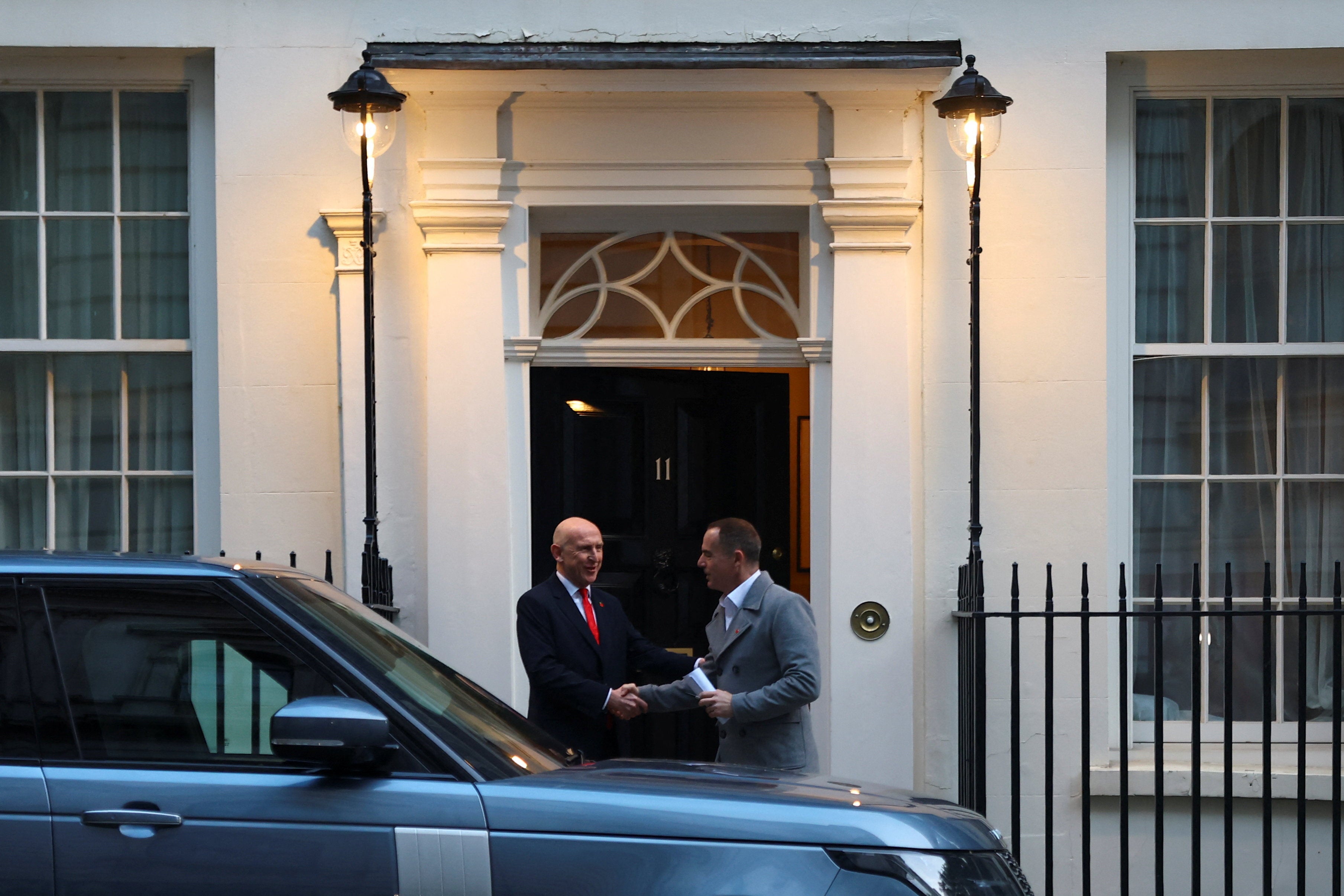
John Healey looks set to reverse the planned cut to cash ISA deposits in a move that has been welcomed by industry experts.
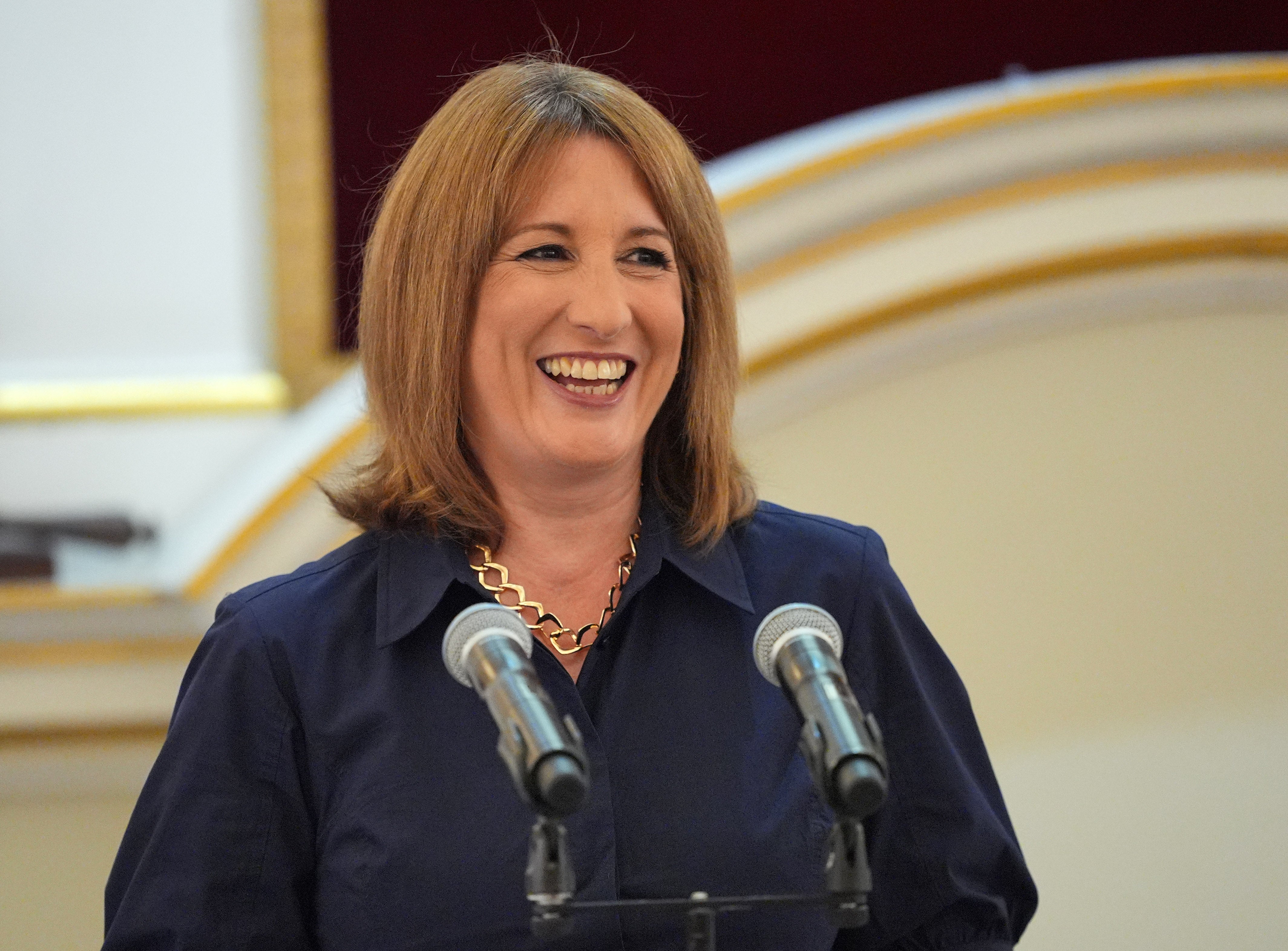
Previous chancellor Rachel Reeves unveiled a raft of ISA reforms last year aimed at getting more people in Britain to invest, in a plan though worthy, has been labelled a “car crash” by one expert.
On Wednesday, new chancellor John Healey is expected to U-turn on that move, according to the Financial Times, scrapping that cut, which would have limited people under 65 to putting only £12,000 annually into Cash ISAs, instead of £20,000.
Most industry voices disagreed that the move would push people to invest more, while others said it would have actively hampered building societies who utilise those deposits to back domestic mortgages. The retail investing industry was also split on the move, given the added rules and cost it would add to their processes, even if they naturally agree more Britons should be investing.
So news of a possible U-turn has been welcome by many.
Tom Selby, director of public policy at AJ Bell, said it was a positive move: “Healey deserves credit for seeing this iceberg coming and taking abortive action at the earliest opportunity,” he said. “Rachel Reeves’ ISA reforms were a car crash, lamented by most of the retail investment industry, who criticised the complexity they would add for little consumer benefit, and building societies, who warned they would increase mortgage costs.
“Given the prime minister’s main focus is on easing cost-of-living pressures, we shouldn’t be surprised the cash ISA cut is set to be unceremoniously ditched.”
However, there are still some questions outstanding if Mr Healey does reverse the cut.
Reserving £8,000 for investing in ISAs was only one part of Ms Reeves initial plans; there was also an incoming ban of moving money from a person’s stocks and shares ISA to their cash ISA, and the most criticised aspect of all, a tax on uninvested cash earning interest within investing ISAs.
That single measure alone made the fact that ISAs were no longer a totally tax-free environment, while adding more confusion for first-time users which should have been the opposite to encourage new investors.

Invest at least £100 in Stocks or ETFs of your choice. Get fractional shares worth £50!
Terms and conditions apply.
ADVERTISEMENT
Invest at least £100 in Stocks or ETFs of your choice. Get fractional shares worth £50!
Terms and conditions apply.
ADVERTISEMENT
In addition, there remains scant detail around the incoming first time buyer ISA which is intended to replace the lifetime ISA, with some aspects of the new variation notably worse than the existing one.
“We assume this means the awful measures designed to prevent people circumventing the proposed cash ISA cut – including taxing interest earned on cash and cash-like investments in a stocks and shares ISA, and banning transfers from stocks and shares ISAs to cash ISAs – will also be binned,” added Mr Selby.
“However, undoing Rachel Reeves’ calamitous reform agenda should just be the first step – the chancellor now has an opportunity to deliver on Labour’s pre-election pledge to radically simplify the ISA landscape.”
Jo Harris, chief customer officer at Quilter, said the measures introduced by Ms Reeves were not likely to have had the required impact in any case, as most people do not get anywhere near the annual limits – and urged the current chancellor to make changes which were more actively encouraging for savers to start investing.
“There is no question too much long-term money in the UK is sitting in cash when some of it could be invested,” she said.
“But the proposed cut was always likely to do very little to tackle that problem. Only 22.7 per cent of ISA subscribers used their full allowance in 2022/23, while 42 per cent put away less than £2,500. For the vast majority, cutting the Cash ISA limit from £20,000 to £12,000 would therefore have changed very little. It risked adding complexity without addressing the reasons so many people prefer to hold their savings in cash.
“If the chancellor believes carrot is better than stick, there are other options,” Harris added. “Rather than restricting the existing ISA allowance, the government could consider an additional investment-only allowance on top of the £20,000 ISA limit, alongside better financial education and support to give people the confidence to invest.
“The chancellor should also finish the job and ditch the anti-circumvention rules [around the cash ISA limit cut]. Restrictions on transfers, the proposed tax on interest from cash held within non-cash ISAs and [other] rules leave considerable complexity behind to support a policy that no longer exists.”
However, not everyone was supportive of the reported move.
Investing firm IG have been outspoken about the need to go further and have demanded the government entirely scrap the cash ISA. Michael Healy, CEO of IG Consumer, called the proposed U-turn a “deeply misguided decision” and that “the chancellor has chosen to reinforce the very savings culture that is holding Britain back.”
“This Budget should have been about making Britain’s money work harder for its people and its economy instead of defending a tax break that most savers don’t need,” he added.
Others were more critical of the original policy changes being announced in the first place without the foresight of how misguided they were.
“We warned at the time that restricting cash ISAs risked penalising the very people who need the most help building long-term wealth, women in particular. You don’t persuade people to eat more meat by rationing their vegetables,” said Maike Currie, vice president of personal finance at PensionBee.
“Policy inevitably changes, but announcing complex reforms and asking firms to prepare for them only to reverse course before they take effect is the worst kind of policymaking,” added Quilter’s Ms Harris.